Insights
Why Your Back and Joints Hurt More in Winter and What to Do About It
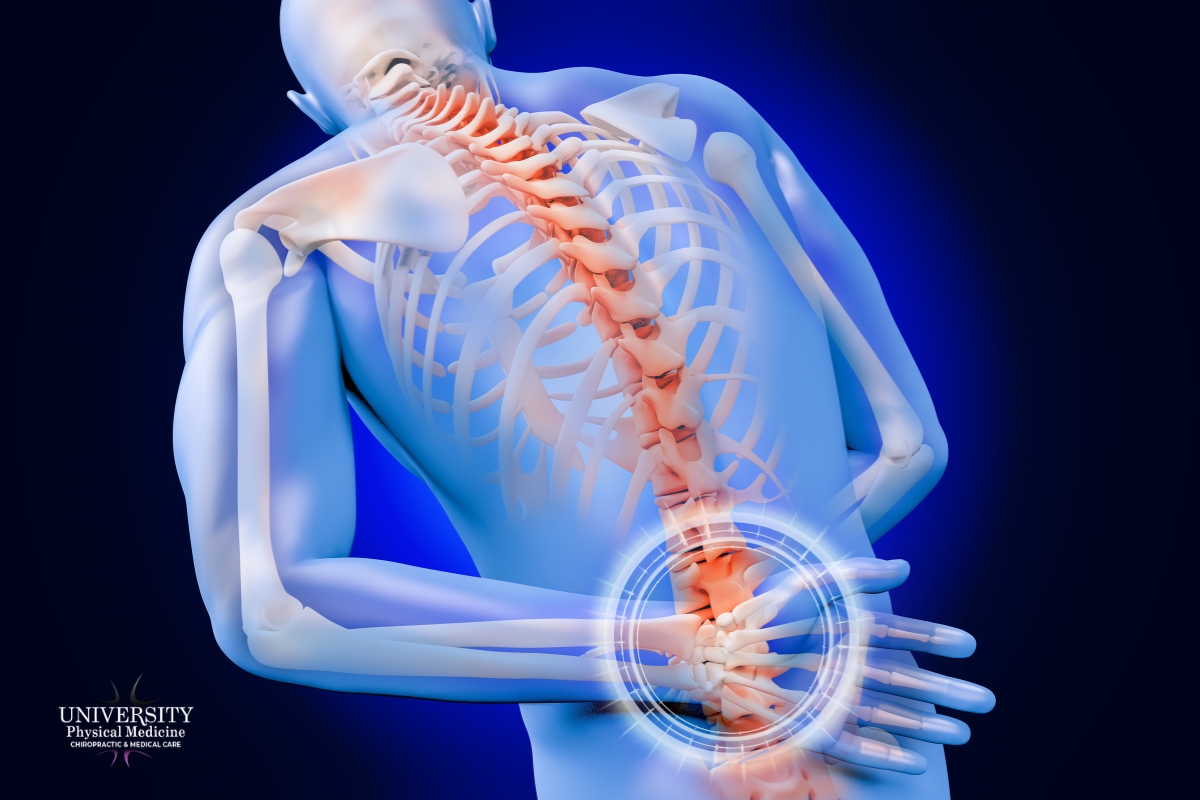
Florida is not supposed to be a cold-weather state. But Tallahassee patients know better. When a cold front drops overnight temperatures into the 30s and the wind picks up, the phones at University Physical Medicine get busier. Back pain flares. Hip and knee stiffness that was manageable in September becomes genuinely limiting in January. Patients who had been doing well come in saying the same thing: "I don't know what happened, it just got worse."
What happened is biology, not coincidence. The relationship between cold weather and musculoskeletal pain is well documented and mechanistically understood. It is not psychological and it is not random. Five distinct physiological processes drive winter pain flares, and understanding them is the first step toward managing them rather than simply enduring them each year.
At University Physical Medicine, back pain relief in Tallahassee includes addressing the seasonal patterns that make existing structural problems significantly worse, so patients do not lose months of progress every time the temperature drops.
The Five Mechanisms Behind Winter Pain
Winter pain is not one phenomenon. It is five overlapping mechanisms that reinforce each other, which is why a moderate cold front can produce a disproportionate pain response in patients who carry underlying spinal or joint conditions.
Cold-Weather MechanismWhat Happens in the BodyWhy Pain IncreasesVasoconstrictionBlood vessels contract to preserve core temperatureReduced blood flow to muscles and joint capsules; less oxygen and fewer nutrients reach the tissue; metabolic waste builds up faster under loadMuscle guardingThe nervous system triggers sustained muscle contraction to protect warmthParaspinal and hip musculature hold in protective contraction; joints lose normal range; spinal segments that were already restricted become acutely stiffSynovial fluid thickeningJoint lubricating fluid becomes more viscous in lower temperaturesCartilage surfaces receive less lubrication at the start of movement; friction increases; joints that were mildly arthritic in warm weather become clearly painful in coldBarometric pressure dropAtmospheric pressure falls before and during cold frontsTissues inside joints expand slightly when external pressure drops; inflamed or damaged joint capsules, discs, and bursae swell against their surrounding structuresReduced physical activityPeople move less, walk less, and exercise less in cold weatherLumbar discs lose the hydration they get from movement; hip flexors shorten from prolonged sitting; the deconditioning cycle accelerates existing structural problems
These five mechanisms rarely operate in isolation. A cold front typically drops barometric pressure before temperatures fall, triggering the synovial fluid and tissue expansion response before vasoconstriction and muscle guarding add their contributions. By the time temperatures bottom out overnight, a patient with even mild lumbar disc disease or hip arthritis may wake up with genuine pain from a combination of tissue changes that accumulated while they slept.
Who Feels It Most: Conditions That Winter Amplifies
Cold weather does not create spinal or joint pathology. It amplifies whatever structural vulnerability already exists. The patients who feel seasonal changes most acutely are those with pre-existing conditions that maintain baseline inflammation or structural compromise.
Lumbar Disc Disease
Intervertebral discs have no direct blood supply in adulthood, they receive nutrition through the movement-dependent process of imbibition, which draws fluid in and out of the disc with compression and decompression cycles during activity. When cold weather reduces activity, lumbar discs receive less nutritional exchange and accumulate metabolic waste products more readily. Patients with existing disc herniations or degenerative disc disease frequently report their worst flares occurring in January and February, the months when Tallahassee weather is most consistently cold and outdoor activity drops to its seasonal low.
Sacroiliac Joint Dysfunction
The sacroiliac joint is especially sensitive to the combination of muscle guarding and reduced movement that cold weather produces. Protective muscular contraction in the glutes, piriformis, and paraspinals, the body's response to cold, compresses the SI joint while simultaneously reducing the varied movement patterns that normally keep it mobile. Patients who carry SI dysfunction through the summer without significant symptoms frequently present with acute one-sided back and hip pain during winter months.
Osteoarthritis of the Spine and Hips
The Arthritis Foundation notes that people with arthritis consistently report increased pain in cold and damp conditions. The mechanism involves both the synovial fluid thickening and barometric pressure response described above, but for arthritic joints the effect is amplified because the joint capsule and cartilage are already compromised. Cold weather does not accelerate arthritic progression, but it dramatically lowers the threshold at which arthritic joints produce significant pain, and Tallahassee winters, while mild by northern standards, are cold enough to trigger this response reliably.
Previous Injuries With Scar Tissue
Scar tissue and fibrous adhesions from previous injuries, sprains, surgeries, muscle tears, prior disc herniations, are less vascular and less pliable than healthy tissue. In cold weather, reduced blood flow and increased tissue viscosity make these areas stiffer and more pain-sensitive than the surrounding healthy tissue. Patients often notice that old injuries announce cold fronts more reliably than weather apps do.
Why Tallahassee Winter Pain Catches People Off Guard
Patients who relocated to Tallahassee from the northeast or midwest often expect Florida's winters to be a pain-free reprieve. The reality is that Tallahassee's winters, with overnight lows frequently in the 30s to mid-40s, cold fronts that drop temperatures 20 to 30 degrees within hours, and humidity that compounds the perceived cold, are sufficient to trigger all five winter pain mechanisms in susceptible individuals.
The pattern that catches patients most by surprise is the front-driven spike: the pain that arrives a day before the temperature actually drops, during the barometric pressure decline that precedes the cold front. According to research published in the National Library of Medicine, low barometric pressure is among the most consistently reported environmental triggers for musculoskeletal pain in patients with arthritis and spinal conditions. Tallahassee patients who learn to anticipate barometric pressure changes, rather than being surprised by them, can time their chiropractic care and self-management strategies to minimize the impact.
What Chiropractic Care Does for Winter Pain
The winter pain mechanisms described above are not simply weather conditions to be endured, they are specific physiological processes that clinical treatment addresses. Chiropractic care for joint pain in Tallahassee during winter months targets the structural vulnerabilities that cold weather exploits.
Restoring Joint Mobility Before Guarding Sets In
Cold-induced muscle guarding is a protective reflex, the body tightens to conserve heat. The problem is that the tightening compresses already-restricted spinal segments and joint capsules, turning mild restriction into acute stiffness. Chiropractic manipulation performed during or immediately after a cold front reverses that compressive pattern: restoring segmental mobility, reducing intracapsular pressure, and interrupting the guarding cycle before it progresses to a significant flare. Patients who schedule a maintenance visit at the onset of cold weather consistently experience milder winters than those who wait until pain is severe.
Improving Circulation to Spinal and Joint Tissue
Manual therapy, including spinal manipulation, myofascial release, and trigger point work, produces local vasodilation and increases blood flow to the treated area. For muscles and joint capsules that vasoconstriction has left ischemic and metabolite-loaded, this circulatory response is clinically meaningful. It accelerates the delivery of oxygen and nutrients, clears accumulated waste products, and reduces the local chemical irritation that cold weather amplifies. For patients with chronic back pain who see a predictable winter worsening, regular manual therapy through the cold months maintains tissue quality and reduces the amplitude of seasonal flares.
Shockwave Therapy for Chronic Winter Flare Sites
For patients whose winter flares consistently target the same sites, typically the sacroiliac joints, lumbar facets, or hip musculature, shockwave therapy provides a tissue-level intervention that reduces the chronic irritability those sites carry year-round. By reducing the baseline inflammatory load and scar tissue adhesion in the repeatedly affected area, shockwave treatment lowers the threshold required for cold weather to produce a significant flare. Patients who receive shockwave therapy for recurrent SI or lumbar flare sites during fall often report substantially milder winter seasons.
Cervical and Thoracic Mobility for Cold-Weather Neck Stiffness
Cold-weather neck stiffness is among the most common winter presentations at University Physical Medicine. The combination of muscle guarding, vasoconstriction, and reduced movement produces a characteristic morning cervical stiffness that patients describe as "not being able to turn my head" after waking on cold days. Cervical manipulation and thoracic extension mobilization restore mobility rapidly and reduce the compressive load that cold-induced guarding places on the upper cervical facets.
What to Do at Home During Cold Fronts
Managing Winter Back and Joint Pain Between Visits
> - Apply moist heat, not dry heat, to painful areas during cold fronts: moist heat penetrates deeper into joint and muscle tissue and counteracts vasoconstriction more effectively than dry heating pads
- Keep moving, even if the movement is gentle, 10 to 15 minutes of walking indoors, light stretching, or floor exercises maintains the disc hydration and joint lubrication that cold weather reduces
- Layer up before going outside and warm up slowly when coming in from the cold, abrupt temperature transitions trigger the sharpest muscle guarding responses
- Stay hydrated, cold weather reduces the sensation of thirst while actually increasing fluid loss through respiration; dehydration thickens synovial fluid and reduces disc hydration
- Track your pain against the weather, note when flares begin relative to cold front arrivals; most patients discover they flare 12 to 24 hours before the temperature drops, during the barometric pressure decline
- Maintain gentle lumbar and hip mobility exercises through winter, the patients who do the worst in January are those who stopped moving in October and November
- Schedule a pre-winter maintenance visit in late October or early November, addressing existing restrictions before cold weather amplifies them is more effective than treating a full flare
Frequently Asked Questions
Is it normal for back pain and joint pain to get worse in cold weather?
Yes, and it is well-documented. The relationship between cold weather and musculoskeletal pain is not psychological or coincidental. Vasoconstriction, muscle guarding, synovial fluid thickening, barometric pressure changes, and reduced activity all contribute through distinct physiological mechanisms. Patients with underlying spinal disc disease, arthritis, or joint dysfunction feel seasonal changes more acutely because cold weather amplifies whatever structural vulnerability already exists. Recognizing the pattern and addressing it proactively, rather than being surprised each winter, produces significantly better seasonal outcomes.
Does cold weather actually damage joints, or does it just make existing damage more painful?
Cold weather amplifies pain from existing joint conditions, it does not accelerate structural damage or cause new damage. Patients with arthritis, disc disease, or prior injuries feel the winter effect more intensely because their joints and spinal structures are already operating with less reserve. The good news is that the structural situation in spring is typically the same as in fall, the seasonal pain increase is driven by the physiological response to cold, not by worsening pathology.
Will chiropractic care help if my back pain is from arthritis?
Yes. Chiropractic care addresses the joint mobility, muscle guarding, and soft-tissue quality that cold weather compromises regardless of whether the underlying condition is arthritis, disc disease, or prior injury. Manipulation restores segmental mobility, reduces intracapsular compression, and interrupts the protective guarding cycle that arthritis patients experience in cold weather. It does not reverse arthritic changes, but it manages the functional consequences of those changes effectively. Many patients with osteoarthritis of the lumbar spine or hips maintain significantly better winter function through regular chiropractic maintenance care than through pain medication alone.
How often should I see a chiropractor during winter for back pain?
It depends on the severity and chronicity of your underlying condition. Patients who experience mild seasonal worsening typically benefit from one or two additional visits during the coldest months, targeted at the period when their worst flares historically occur. Patients with significant arthritis, disc disease, or recurrent SI dysfunction often see better outcomes with a monthly maintenance schedule through winter, shifting to less frequent visits when temperatures rise. Dr. Belletto gives each patient a realistic seasonal care recommendation based on their clinical picture and history.
Are there specific pain locations that winter affects most?
The sacroiliac joints and lumbar spine consistently produce the most common winter flares at University Physical Medicine, followed closely by the hips and cervical spine. The SI joints are particularly sensitive to the combination of muscle guarding and reduced movement that cold weather produces. The lumbar discs are vulnerable to the reduced hydration that comes with less activity. The hips are affected by both arthritic changes and hip flexor shortening from increased sitting time in cold weather. The cervical spine produces the classic cold-weather morning stiffness that results from overnight guarding. All of these locations respond to chiropractic treatment during winter flares.
Winter Pain Is Predictable. The Right Care Makes It Manageable.
The cold front is coming regardless. What differs between patients who manage it well and patients who lose months of progress every winter is whether they understand the mechanism and have a clinical relationship in place to address it proactively. University Physical Medicine provides back pain treatment and joint pain care in Tallahassee through a year-round clinical model that accounts for seasonal patterns, so you are not starting over every spring.
Dr. Belletto sees new patients at 1224 Ocala Rd, one mile from FSU and TCC in west Tallahassee, with same-day appointments typically available.
Schedule your evaluation today or call (850) 576-2129 to speak with our team directly.
University Physical Medicine | 1224 Ocala Rd, Tallahassee, FL 32304
Mon / Wed / Thu: 8:30 AM – 5:30 PM | Tue / Fri: 8:30 AM – 12:30 PM
Medical Disclaimer: This article is for general informational purposes only and does not constitute medical advice, diagnosis, or treatment. Back pain and joint pain have multiple potential causes that require individual clinical evaluation by a licensed healthcare provider. Seek prompt medical evaluation for back pain accompanied by fever, unexplained weight loss, or bowel and bladder changes; joint swelling with redness and warmth that does not improve; or pain following significant trauma. Always consult a qualified provider before beginning any treatment.